


Geotab Connect 2026: AI Dashcams & Predictive HOS Tools Drive Proactive ELD Compliance
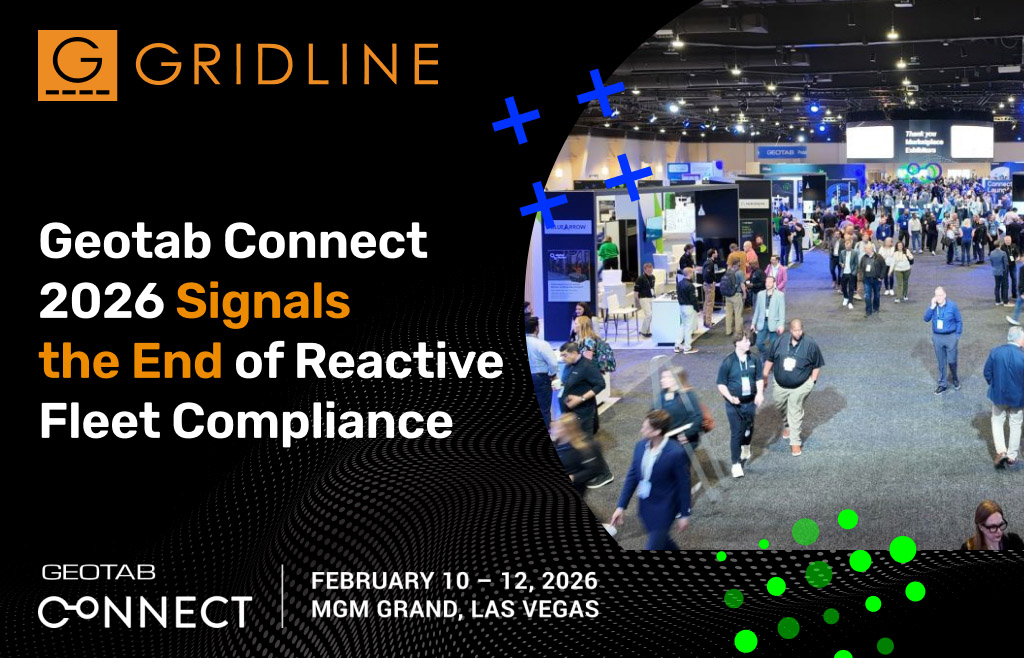
The margin for error in fleet compliance is shrinking fast. With rising “nuclear verdicts” in trucking accidents, intensifying FMCSA oversight, and legal costs that can reach into the tens of millions, fleet managers can no longer afford to chase violations after they happen. At Geotab Connect 2026, the industry’s message was unmistakable: the future belongs to fleets that prevent problems, not those that merely react to them.
Thousands of fleet professionals, technology partners, and industry leaders gathered in Las Vegas for the conference, building on momentum from the 3,500+ attendees who joined the 2025 event. But this year’s gathering was fundamentally different in focus. While Geotab CEO, Neil Cawse, unveiled the company’s ambitious pivot toward AI-powered data collection and asset tracking, the conversations in breakout sessions and on the show floor centered on compliance, safety, and the urgent need for proactive oversight.
From AI-driven dashcams to predictive HOS violation tools, the conference showcased how technology is enabling fleets to shift from damage control to prevention. The stakes have never been higher, and the solutions have never been smarter. For forward-thinking fleet operations, Geotab Connect 2026 marked a turning point – the moment when proactive compliance moved from aspiration to operational imperative.
Compliance, Safety, and Proactivity Take Center Stage
Hours of Service (HOS) compliance remains a critical challenge for fleet operations. Industry experts emphasized that even a single at-fault incident tied to an HOS violation can spell serious legal trouble for a carrier. Electronic logging devices (ELDs) alone are no longer sufficient. Fleets must identify and address risks before they escalate into fines, accidents, or lawsuits.
The industry’s legal landscape has grown more intense, with massive jury awards putting fleet safety programs under a microscope. Fleets that can’t demonstrate rigorous oversight, proper driver training, and strong safety culture find themselves vulnerable in court. Building compliance cultures where supervisors actively coach drivers, every HOS violation triggers corrective action, and all training efforts are meticulously documented has become essential. “Bulletproof” compliance records are now necessary both to satisfy regulators and to protect against litigation.
For Gridline, a provider of industry leading fleet compliance solutions, these themes reinforced the company’s long-standing approach: prevent HOS violations altogether rather than constantly playing catch-up. Advanced compliance solutions can leverage ELD data in smarter ways, analyzing it to flag potential issues early and guide supervisors on timely interventions. The consensus from industry leaders was clear: investing in HOS compliance programs pays dividends, avoiding costly fines while fostering a safety-first reputation that becomes a competitive advantage.
Industry Trends: AI, Dashcams, and Operational Intelligence
Fleet operations are entering a more intelligent era, driven by rapid advances in artificial intelligence, video telematics, and data analytics. AI-enabled tools now detect risky driving behaviors in real time, trigger coaching alerts, and identify emerging compliance risks before they escalate. From in-cab fatigue alerts to predictive models that flag high-risk drivers for HOS violations, these technologies are enabling truly preventive strategies.
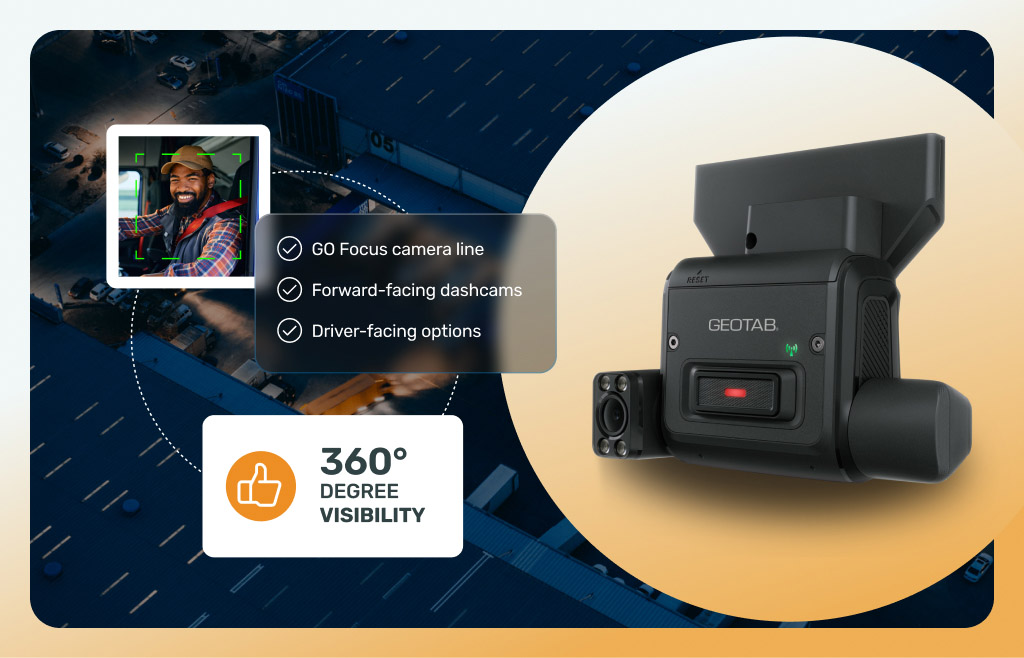
Dash camera adoption continues to accelerate across commercial fleets. Once considered optional, video telematics is now viewed as foundational. Geotab reinforced this trend with the launch of its GO Focus camera line, featuring forward-facing dashcams and driver-facing options that support up to five cameras for 360-degree visibility. As reported by Forbes, these connected cameras stream live data into Geotab’s systems where AI analyzes driver behavior, detects risks, and provides insights beyond compliance, such as road condition monitoring and debris detection for smart city applications. When integrated with telematics data, fleet dashcams provide critical context around events like hard braking or tailgating, allowing effective driver coaching while creating objective evidence essential for regulatory and legal scrutiny.
The industry is also moving toward deeper operational intelligence. While fleets collect more data than ever, competitive advantage comes from turning it into clear, actionable insight. Platforms that unify data across compliance, safety, and operations, which surfaces trends, benchmarks, and risk signals, help leaders prioritize interventions and make smarter decisions. Rather than simply monitoring past activity, fleets increasingly use analytics to anticipate what might happen next and take preventive action.
From Reactive to Proactive: Gridline’s HOS Protect and Scott Tenney’s Insights
One highlight of Geotab Connect 2026 was a breakout session led by Scott Tenney, Co-Founder of Gridline. In his talk, “HOS Protect: Transforming Compliance from Reactive to Proactive,” Tenney challenged the audience to rethink Hours of Service management. Rather than scrambling after violations occur or treating log audits as check-the-box exercises, he argued for anticipating and averting problems before they escalate.
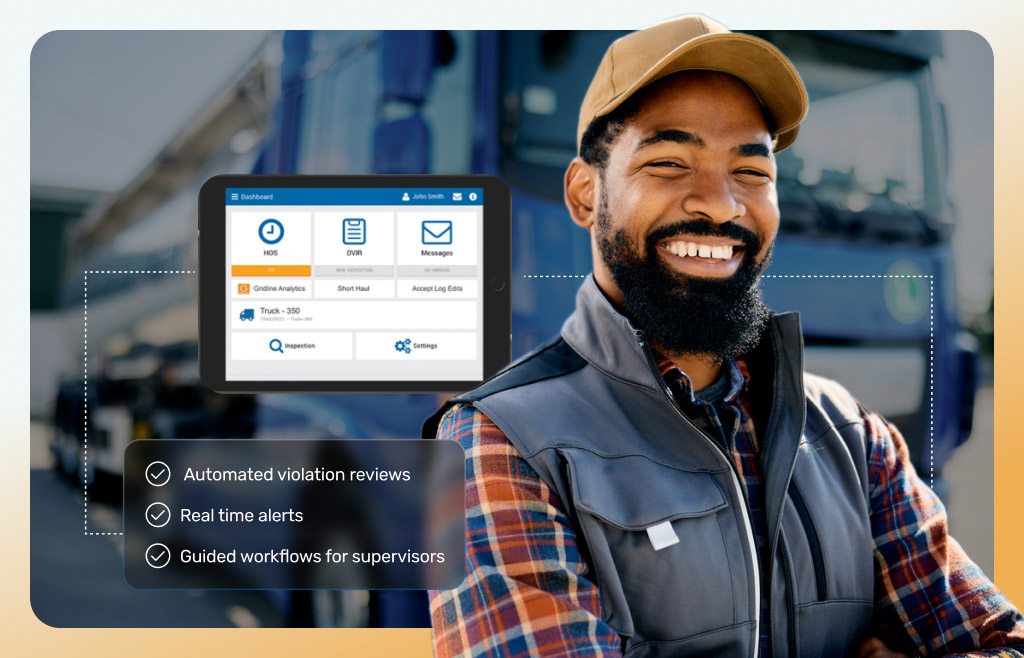
Using Gridline’s HOS Protect solution as a case study, Tenney demonstrated what proactive compliance looks like in practice. Key strategies included:
-
- Automated violation reviews
-
- Real time alerts
-
- Guided workflows for supervisors to follow up with drivers the moment an HOS issue arises
By embedding compliance oversight into daily operations, HOS Protect ensures nothing slips through the cracks. Every potential violation is caught, addressed, and documented, creating a robust digital paper trail invaluable during audits or legal inquiries and helping build “defensible compliance records” that regulators and attorneys can trust.
Beyond technology, Tenney highlighted process and people improvements. HOS Protect streamlines supervisor workflows, simplifying steps safety managers take when dealing with log issues while reducing errors. For drivers, knowing every violation triggers a coaching conversation creates accountability and encourages better road habits, leading to tangible behavior improvements over time.
The session also showcased HOS Protect’s analytics capabilities. Trend reports and dashboards identify recurring compliance pain points, helping fleets address root causes, whether a particular route pushes drivers past their hours or certain drivers consistently cut it close on compliance. The takeaway was clear: moving from reactive to proactive HOS compliance is game-changing. As Tenney put it, why wait for violations and fines to pile up when you can prevent them entirely?
The Future of Fleet Compliance and Gridline’s Role
The future belongs to fleets that stay ahead of the curve, harnessing data, technology, and strategy to anticipate challenges. Compliance is evolving from back-office task to frontline strategic function. As regulations adapt, enforcement intensifies, and AI plays an even larger role in daily fleet decisions, the companies that thrive will embrace this change and turn it to advantage.
Gridline’s focus on proactive HOS compliance, analytics-driven insights, and streamlined operations positions it well to support fleets in this rapidly evolving environment. HOS Protect and other Gridline solutions are continually refined to meet emerging needs. The road ahead will have twists and turns, but with the right partners and mindset, fleet professionals can turn compliance from challenge into opportunity. Gridline intends to be by its customers’ side every mile of the way, helping them stay compliant, stay safe, and stay ahead of the curve in this new era of fleet management.
-

Why Your Fleet Solution Provider Should Never Say ‘No’ - Without a Solution to Offer
You don’t need another obstacle dressed up as a software contract. You need a partner who’s in the trenches with you. Understand what you should expect from your solution partners.
-
Gridline Strengthens Market Leadership with Strategic Acquisition of Shell’s Telematics Business
Gridline has announced the strategic acquisition of the Shell Telematics business, a transaction designed to bolster Gridline’s market leadership and expand its capabilities in the rapidly growing telematics sector, while making enhanced data capabilities available to Shell customers.
-

Fleet Customer Support: Why Gridline Excels at a Lost Art
Many software companies are scaling back customer support to save money. Gridline offers comprehensive fleet customer support to every client.
-

Driver Scorecard: Complete Performance with Both Telematics and Dash Cams
Don't fall victim to telematics information overload. Integrate your telematics driver scorecard with your dash camera events for complete driver performance.
-

Fleet Safety Management: Why and How to Protect Your Business
A good fleet safety management program can help you create a culture of safety that prevents accidents, injuries, deaths, and costly property damage.
-

Sustainable Fleet Planning: 5 Key Considerations
Are you conducting sustainable fleet planning and considering replacing diesel trucks with electric vehicles? Here are five questions to guide you.
-

California Clean Truck Program: What It Means for Your Fleet
The California Clean Truck Program takes full effect on January 1, 2024. Here’s how telematics and analytics solutions can help you automate compliance.
-

How Monitoring Cases Per Hour Can Help Improve Delivery Efficiency
With rich data on their delivery efficiency, distributors can identify their best and worst customers and make more profitable decisions about serving them.
-

5 Key Takeaways from Geotab Connect 2023
Geotab Connect 2023 was the first such event in three years and attracted a record number of attendees. Here are five takeaways on the future of telematics.
-

Service Frequency Analytics: The New Key to Distributor Profitability
By analyzing their service frequency, distributors can identify their least profitable customers and make route changes that protect shrinking margins.
-

Driver Incentive Program Ideas: Five Ways to Enhance Your Program
What are the best ways to reward your drivers? Here are five practical driver incentive program ideas for fleets of all sizes and in all industries.
-

How AI-Powered Dash Cams Can Help with Driver Scoring, Gamification, and Incentives
Using AI-powered dash cams can help you establish accurate driver scoring so you can identify, recognize, and reward your top performers. Here’s how.
-

Boost Driver Recruitment with Gamification and Incentives
You can improve your chances at driver recruitment by building a gamification and incentive program and promoting it during the hiring process. Here’s how.
-

How Gamification and Incentives Can Enhance Your Driver Retention Program
Your driver retention program can use gamification and incentives to improve performance by tapping into drivers' natural competitive instincts. Here's how.
-

The Future of Telematics: Using AI to Protect Fleet Assets
The future of telematics is here. AI solutions can help you identify potential fleet maintenance issues and service your trucks to prevent costly breakdowns.
-

AI Dash Cams: Why They May Be a Good Fit for Your Fleet
AI dash cams can make it much easier for your fleet managers to reward good drivers and coach underperformers. Here’s how to choose the right technology.
-

Improve Driver Behavior with a Driver Incentive Program
Launching a driver incentive program can help you improve your drivers’ behavior dramatically with only a modest investment. Here’s how to set up your program.
-

Data-Driven Green Fleet Management: How the Wave of the Future Gives a Bottom-Line Boost
Green fleet management should be a top priority for fleets and fleet management companies alike. Learn why ESG is important, plus some tips to get there.
-

Fleet Asset Management: Maximize Vehicle Performance and ROI
Don’t overlook fleet asset management as you strive to become a data-driven enterprise. Here are the metrics that can improve your bottom line.
-

Reduce Fleet Costs: How Telematics Can Help You Save Money
Telematics can help you drill down to the root causes behind your biggest expenses so that you can reduce fleet costs the smart way. This article shows how.
-

Driver Performance: How to See It All on a Single Pane of Glass
It’s hard to improve driver performance when data is scattered across systems. Here’s how to get a consolidated view of what’s going on across your fleet.
-

Fleet Analytics: Become a Data-Driven Enterprise
When it comes to improving the bottom line, fleet analytics is only the beginning. Find out how to get a complete view of your fleet’s performance.
-

Fleet Asset Monitoring: Increase Fleet Utilization and ROI
Phillips Connect provides fleet asset monitoring solutions that help Geotab customers locate assets and keep them in use. Boost profitability and end frustration.
-

Does Your Vendor Take Telematics Data Security Seriously? Here’s Why SOC 2 (Type 2) Compliance Matters.
If you’re interested in building an EV fleet but skeptical that it will pay off, consider these insights from a massive study of the current EV market.
-

Moving to an Electric Fleet? Don’t Forget About EV Telematics
Don’t overlook the need to implement an EV telematics solution as you build out your EV fleet. Here’s what to look for in a telematics partner.
-

Distributors: Is Your EV Fleet Worth the Investment?
If you’re interested in building an EV fleet but skeptical that it will pay off, consider these insights from a massive study of the current EV market.
-

Can Dash Cams Lower Insurance Costs for Your Fleet?
With video telematics technology, your dash cams can lower insurance costs for your entire fleet. Ask our experts what to look for and how to deploy.
-

Dash Cams for Safety: Reduce Risk for Your Fleet
Enhance your dash cam safety strategy by using technology that combines video capture with GPS. You’ll be able to pinpoint the causes of bad driver behavior.
-

Telematics Data Analytics: Enhance Decision-Making by Combining Data Sets in One Place
Taking the right approach to telematics data analytics can have a major effect on your business performance. Here’s how to get an integrated view of data.
-

Fleet Driver Safety: 5 Easy Post-Pandemic Tips
The world is opening up and the roads are getting busier—so fleet driver safety is more important than ever. Here are five ways to keep your drivers safe.
-

Leverage Delivery Fleet Tracking and Telematics to Improve Your Fleet’s Time Window Compliance
Delivery fleet tracking focused on plan vs. actual analysis can help improve the profitability of product distribution companies.
-

Delivery Performance Analysis Helps Lower Your Overall Mileage Cost
Delivery performance focused on plan vs. actual mileage analysis can help increase the profitability of product distribution companies.
-

Analyze Service Time Data to Improve Your Delivery Fleet Performance
Fleet performance improvements can increase the profitability of product distribution companies when service time efficiency is measured and analyzed.
-

Resolve Your OTR Trucking Challenges with a Telematics Solution
Implement a telematics solution to retain top drivers, avoid regulatory violations, and keep trucks on the road. Here’s how.
-

How Distributors Can Leverage Route Plan vs Actual Analysis to Boost Profits
Route plan versus actual comparisons can be surprising in a pandemic-changed world. Here’s how to get the valuable insights you need to optimize your routes.
-

For Higher Driver Retention, Adopt a Comprehensive Driver Workflow Solution
The right driver workflow solution can help you increase driver retention by providing a better overall work experience. Find out what to look for.
-

Get the value you expect from fleet telematics
Support for 3G fleet telematics is rapidly coming to an end. Learn how to make the most of this situation and put your telematics analytics in a better place.
-

Telematics Hardware: Plan now for the 3G network sunset
Wireless companies are shutting down the 3G network. Find out why now is the best time to plan an upgrade of your fleet telematics technology.
-

Fleet Risk Management: How to Keep Your Fleet Safe During COVID-19
Fleet risk management can help you protect the safety of your drivers—especially with the increased workloads during COVID-19. Here’s how to stay safe.
-

Social Distancing for Truckers: Eight Ways to Keep Your Drivers Safe—and Efficient
While everyone else is social distancing, your drivers keep delivering. But there are common-sense ways to protect your drivers without slowing them down.
-

Why Now Is the Ideal Time for a Plan vs Actual Delivery Data Audit
A “Plan vs Actual” delivery data audit will identify your profit leaks. Decisions you make today will help you run more profitably as the economy opens up.
-

Thank You, Truckers: You’ve Kept America Going During COVID-19
Thank you, truckers for putting yourselves in harm’s way to keep our nation moving during COVID-19. Here’s how you can join Gridline in saying thank you.
-

Fleet Maintenance Costs: Are You Wasting Money on Filters?
Want to reduce your truck fleet maintenance costs? Following the recommended intervals for filter replacement may actually be wasting your money. Here’s why.
-

Why Distribution KPIs Matter: A Sales-Driven Company’s Story
Everyone says they’re a sales-driven company. Back up that statement by monitoring and acting upon the right distribution KPIs...
-

Get a Clear Vision of Your Fleet Operation with Video Telematics
More and more corporate fleets have decided to implement video telematics systems to monitor their drivers’ safety performance throughout the day. Here's why your fleet should, too.
-

Optimizing Distributor Profitability: How a 360-Degree Customer View Can Help You
If you’re serious about optimizing distributor profitability, build a 360-degree view of each customer.
-

Customer Testimonials
See what our customers have to say about working with us.
-

ELD Regulations: Why Compliance Could Actually Expose You to Legal Action—and How to Fight Back
Here’s how to avoid having your own data used against you.
-

Geofencing for Your Vehicle Route Optimization Software
Learn why your vehicle route optimization software is only as good as your geofencing.
-

Driving the Fleet Safety Movement
Practical Use of Telematics to Save Lives and Reduce Costs
(Courtesy of Geotab)